Protecting Starship from the Fiery Grip of Reentry: A Closer Look at Heat-Resistant Tile Testing
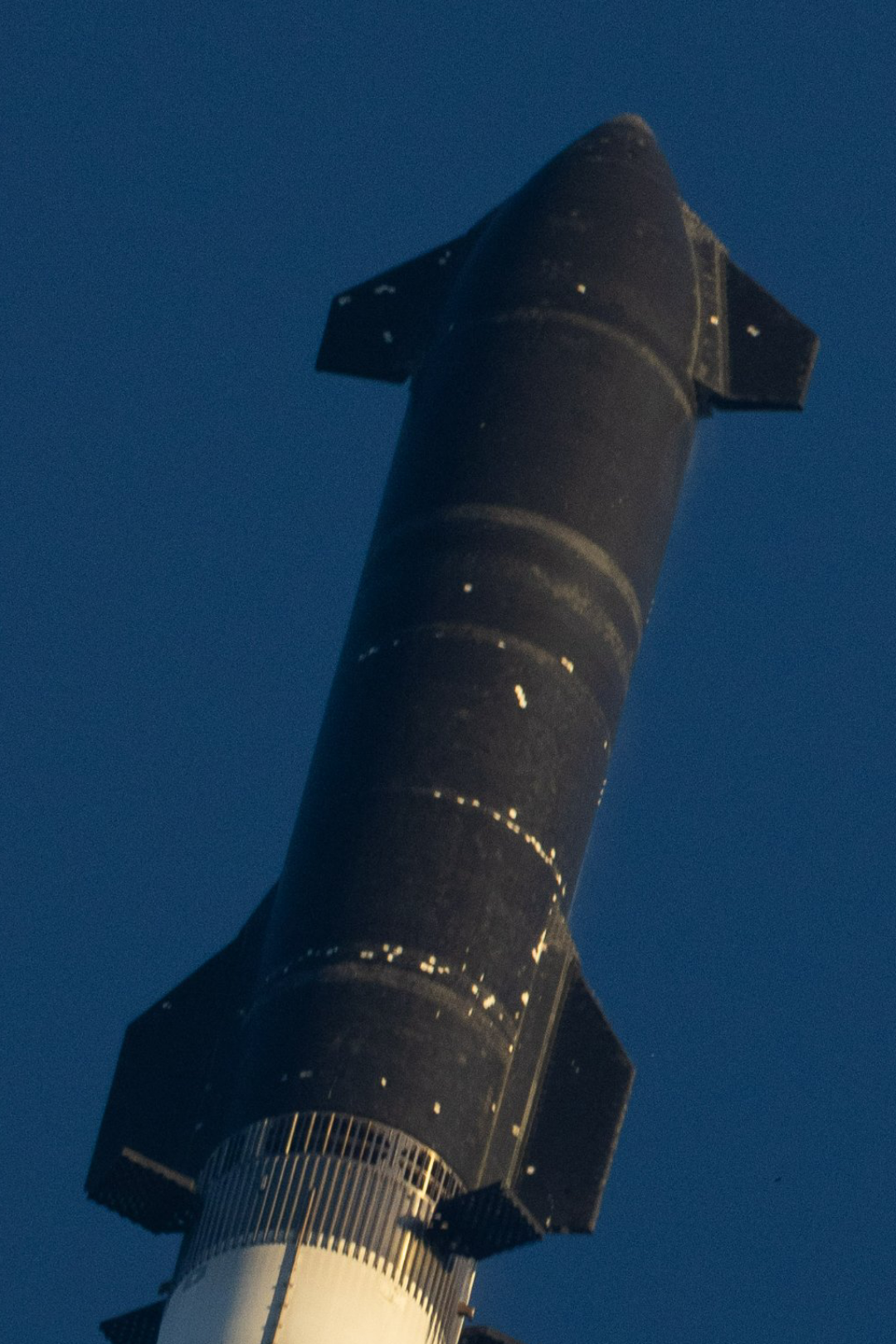
As Starship, SpaceX's ambitious rocket-spaceship system, prepares for its maiden voyage, one crucial aspect remains at the forefront of its development: heat-resistant tiles. These tiles play a pivotal role in safeguarding Starship from the scorching heat it will encounter during reentry into Earth's atmosphere.
During reentry, Starship will hurtle towards Earth at speeds reaching up to 25 times the speed of sound, generating an immense amount of heat. This heat, equivalent to the temperature on the surface of the sun, could easily melt or vaporize the spacecraft if left unprotected. Enter the heat-resistant tiles, the unsung heroes of Starship's survival.
Advertisement
Advertisement
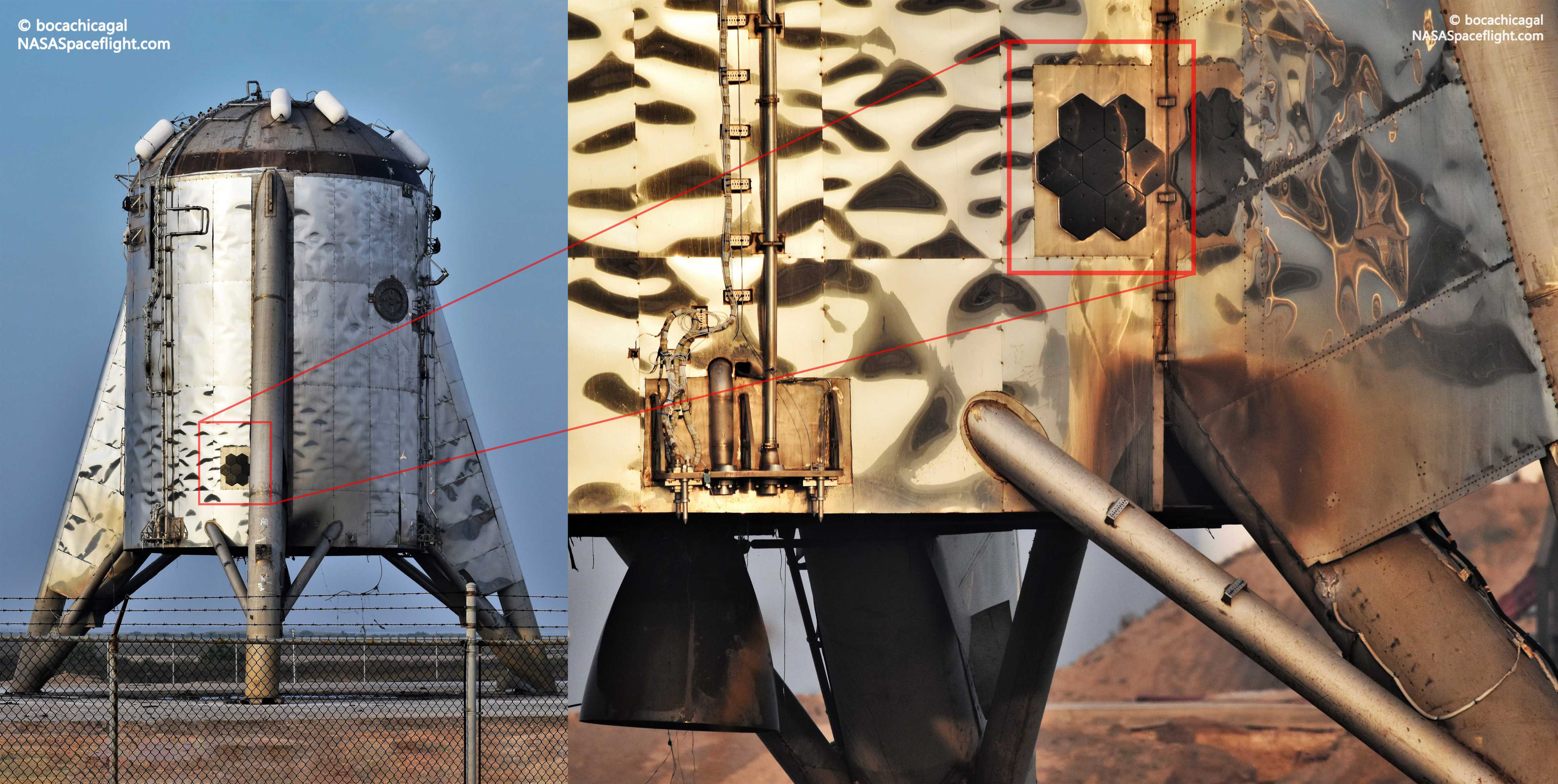
These tiles, made from a composite material called Tufroc, are composed of silica, alumina, and zirconia, a combination that grants them exceptional strength and resilience against extreme temperatures. They can withstand temperatures of up to 3,000 degrees Fahrenheit (1,650 degrees Celsius), shielding Starship from the fiery grip of reentry.
To ensure the tiles' ability to withstand the harsh conditions of reentry, SpaceX engineers subject them to rigorous testing, simulating the intense heat and forces they will encounter. These tests include:
Thermal Shock Testing
Thermal shock testing exposes the tiles to rapid temperature changes, mimicking the sudden shift from the frigid depths of space to the fiery furnace of reentry. This test assesses the tiles' ability to withstand the extreme temperature swings without cracking or failing.
Rain Erosion Testing
Rain erosion testing subjects the tiles to high-speed water jets, replicating the effects of rain during reentry. This test evaluates the tiles' resistance to erosion caused by water droplets impacting at supersonic speeds.
Impact Testing
Impact testing simulates the impact of small debris particles, such as meteoroids or micrometeoroids, that could strike Starship during reentry. This test assesses the tiles' ability to withstand impacts without compromising their structural integrity.
Advertisement
Adhesion Testing
Adhesion testing ensures that the tiles are firmly bonded to the Starship structure. This test involves subjecting the tiles to various forces, including pull tests and thermal cycling, to verify their strong attachment.
Through these rigorous testing procedures, SpaceX engineers meticulously evaluate the heat-resistant tiles, ensuring that they can withstand the extreme conditions of reentry and protect Starship from the fiery heat. The success of these tests is a testament to the company's commitment to innovation and safety, paving the way for Starship's future endeavors.
In conclusion, heat-resistant tiles play a critical role in Starship's survival during reentry, safeguarding it from the scorching heat that could otherwise destroy it. The rigorous testing procedures employed by SpaceX engineers ensure that these tiles can withstand the extreme conditions they will encounter, demonstrating the company's unwavering commitment to safety and innovation. As Starship embarks on its groundbreaking missions, these tiles will stand as a testament to human ingenuity and the relentless pursuit of space exploration.
Advertisement
FAQ
What are heat-resistant tiles and why are they important for Starship?
Heat-resistant tiles are a type of ceramic material that protects Starship from the extreme heat of reentry into Earth's atmosphere. The tiles can withstand temperatures of up to 3,000 degrees Fahrenheit (1,650 degrees Celsius), preventing the spacecraft from melting or vaporizing.
What are the heat-resistant tiles made of?
The heat-resistant tiles are made of a composite material called Tufroc. Tufroc is a mixture of silica, alumina, and zirconia, which gives the tiles their high strength and ability to withstand extreme heat.
How are the heat-resistant tiles attached to Starship?
The heat-resistant tiles are attached to Starship using a special adhesive that can withstand the extreme heat of reentry. The tiles are also overlapped to ensure that there are no gaps where heat can enter the spacecraft.
How many heat-resistant tiles does Starship have?
Starship has approximately 30,000 heat-resistant tiles. The tiles cover the entire underside of the spacecraft, as well as the leading edges of the wings and fins.
How are the heat-resistant tiles tested?
The heat-resistant tiles are tested in a variety of ways to ensure that they can withstand the extreme heat of reentry. These tests include:
- Thermal shock testing: This test exposes the tiles to rapid changes in temperature to ensure that they can withstand the sudden change in temperature that occurs during reentry.
- Rain erosion testing: This test exposes the tiles to water at high speeds to simulate the effects of rain during reentry.
- Impact testing: This test exposes the tiles to impacts from small objects to simulate the effects of debris during reentry.
What happens to the heat-resistant tiles after reentry?
After reentry, the heat-resistant tiles are inspected for damage. If any tiles are damaged, they will be replaced before the next flight.
In addition to the questions above, here are some other common questions about Starship heat-resistant tiles:
- Are the heat-resistant tiles reusable? Yes, the heat-resistant tiles are designed to be reusable. They are inspected for damage after each flight, and if any tiles are damaged, they are replaced.
- How much do the heat-resistant tiles cost? The cost of the heat-resistant tiles is not publicly available. However, they are a significant cost factor in the development of Starship.
- Are there any other types of heat-resistant tiles that could be used for Starship? Yes, there are a number of other types of heat-resistant materials that could be used for Starship. However, Tufroc is the most mature material and has the best track record of performance.