How do different propulsion systems influence the recovery dynamics of Starship boosters?
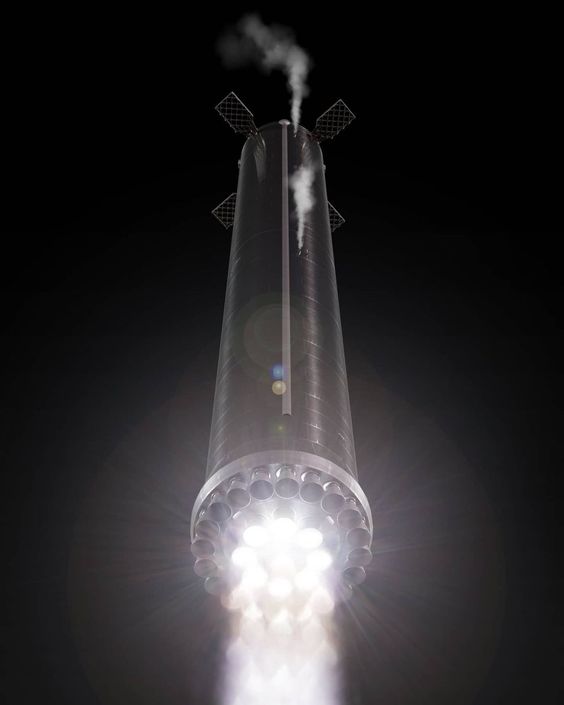
Starship, SpaceX's next-generation launch vehicle, is designed to be fully reusable, with both the Super Heavy booster and the Starship spacecraft capable of returning to Earth for land or sea landings. While the overall design of the Starship system is crucial for its reusability, the choice of propulsion systems plays a significant role in influencing the recovery dynamics of the booster stage, specifically the Super Heavy.
Advertisement
Different Propulsion Systems, Different Recovery Dynamics:
Currently, two primary propulsion systems are being considered for the Super Heavy booster:
1. Raptor Engines (Full Flow Staged Combustion):
- Fuel: Liquid oxygen (LOX) and Liquefied Natural Gas (LNG)
- Advantages:
- High thrust-to-weight ratio for efficient ascent.
- Proven technology with extensive testing experience.
- Lower cost fuel compared to alternative options.
- Relatively cleaner combustion compared to traditional fuels.
- Disadvantages:
- Requires precise control during landing due to high thrust output.
- Limited throttling range, making landing maneuvers more challenging.
- Potential for engine gimbaling limitations during descent and landing.
Advertisement
2. BE-4 Engines (Expander Cycle):
- Fuel: Liquid oxygen (LOX) and Liquid Methane (LCH4)
- Advantages:
- Excellent throttling range for precise control during landing maneuvers.
- Potentially lower environmental impact with LCH4 fuel.
- Higher fuel density compared to LNG, allowing for smaller fuel tanks.
- Disadvantages:
- Lower thrust-to-weight ratio compared to Raptor engines, potentially impacting ascent performance.
- Less flight-proven technology compared to Raptor engines.
- Higher fuel cost compared to LNG.
- Potential for engine instability issues during certain operating conditions.
Recovery Dynamics Implications:
- Raptor engines: The high thrust output of Raptor engines allows for a steeper descent trajectory, reducing the time spent in the atmosphere and minimizing heat load. However, the limited throttling range necessitates more precise control during the landing burn, which can be challenging and potentially increase the risk of landing accidents. Additionally, the high thrust may require the booster to perform a "flip maneuver" during descent to land vertically, adding another layer of complexity to the recovery process.
- BE-4 engines: The wider throttling range of BE-4 engines allows for a more controlled descent and landing, making the process more forgiving and potentially less prone to errors. Additionally, the lower thrust output may eliminate the need for a flip maneuver, further simplifying the landing sequence. However, the lower thrust-to-weight ratio could require a longer descent trajectory, potentially increasing the heat load on the booster and necessitating thermal protection upgrades.
Advertisement
Additional Factors:
- Landing pad design: The specific design of the landing pad (land or sea) can also influence the recovery dynamics of the booster. For example, a land-based pad may require additional support structures to handle the high impact loads associated with Raptor engines, while a sea-based platform may offer a softer landing surface.
- Flight control software: The software responsible for controlling the booster's descent and landing must be sophisticated and adaptable to handle variable conditions and potential engine malfunctions.
- Reusable heat shield: The booster requires a robust and reusable heat shield to withstand the extreme temperatures encountered during atmospheric re-entry.
Advertisement
Conclusion:
The choice of propulsion system significantly impacts the recovery dynamics of the Starship Super Heavy booster. While both Raptor and BE-4 engines offer distinct advantages and disadvantages, the ultimate goal is to achieve a safe, reliable, and cost-effective recovery process for the booster stage. As SpaceX continues to refine its Starship design and conduct flight tests, we can expect further advancements in propulsion technology and recovery techniques, paving the way for a fully reusable launch vehicle capable of revolutionizing space travel.
Ultimately, the success of Starship hinges on its ability to safely and efficiently recover both the Super Heavy booster and the Starship spacecraft. By carefully evaluating the influence of different propulsion systems and other contributing factors, SpaceX can optimize the recovery dynamics and pave the way for a new era of space exploration.
FAQ
Q: What are the two main propulsion systems being considered for the Super Heavy booster?
A: SpaceX is currently considering two primary propulsion systems for the Super Heavy booster:
- Raptor engines: These engines use a full-flow staged combustion cycle and burn liquid oxygen (LOX) and liquefied natural gas (LNG). They have a high thrust-to-weight ratio, making them efficient for ascent, but have a limited throttling range, making landing more challenging.
- BE-4 engines: These engines use an expander cycle and burn LOX and liquid methane (LCH4). They have a wider throttling range, allowing for more precise control during landing, but have a lower thrust-to-weight ratio compared to Raptor engines.
Q: How do these different propulsion systems affect the recovery dynamics of the Super Heavy booster?
A: The choice of propulsion system significantly impacts the booster's recovery process. Here's a breakdown:
- Raptor engines:
- Steeper descent trajectory: This reduces time in the atmosphere and minimizes heat load, but requires more precise control during landing due to high thrust.
- Limited throttling range: This can make landing maneuvers more challenging and increase the risk of accidents.
- Potential for engine gimbaling limitations: This can further complicate descent and landing maneuvers.
- BE-4 engines:
- Wider throttling range: This allows for a more controlled and forgiving descent and landing.
- Lower thrust output: This may require a longer descent trajectory, potentially increasing heat load on the booster.
- Eliminates the need for a flip maneuver: This simplifies the landing sequence compared to Raptor engines.
Q: What are some additional factors that can influence the recovery dynamics of the Super Heavy booster?
A: Several other factors can play a role in the booster's recovery, including:
- Landing pad design: Land-based pads may need support structures for high impact loads (Raptor engines), while sea-based platforms offer a softer landing surface.
- Flight control software: Sophisticated software is crucial for adapting to variable conditions and handling potential engine malfunctions.
- Reusable heat shield: The booster requires a robust heat shield to withstand extreme re-entry temperatures.
Q: What are the potential advantages and disadvantages of each propulsion system for Starship reusability?
A:
Raptor engines:
Advantages:
- High thrust-to-weight ratio for efficient ascent.
- Proven technology with extensive testing experience.
- Lower cost fuel compared to LCH4.
- Relatively cleaner combustion compared to traditional fuels.
Disadvantages:
- Limited throttling range can make landing maneuvers more challenging.
- Requires precise control during landing due to high thrust output.
- Potential for engine gimbaling limitations during descent and landing.
BE-4 engines:
Advantages:
- Excellent throttling range for precise control during landing maneuvers.
- Potentially lower environmental impact with LCH4 fuel.
- Higher fuel density compared to LNG, allowing for smaller fuel tanks.
Disadvantages:
- Lower thrust-to-weight ratio can impact ascent performance.
- Less flight-proven technology compared to Raptor engines.
- Higher fuel cost compared to LNG.
- Potential for engine instability issues during certain operating conditions.
Q: What are the future prospects for Starship booster recovery?
As SpaceX continues to refine its Starship design and conduct flight tests, we can expect further advancements in propulsion technology and recovery techniques. This will eventually lead to a safe, reliable, and cost-effective recovery process for the Super Heavy booster, paving the way for a fully reusable launch vehicle capable of revolutionizing space travel.
Additionally, here are some resources for further reading:
- SpaceX Starship website: https://www.spacex.com/vehicles/starship/
- Blue Origin BE-4 engine website: https://www.youtube.com/watch?v=Nyn2gOimRfM
- NASA Space Launch System website: https://www.nasa.gov/humans-in-space/space-launch-system/