How Starship Avionics System Enables Reusability and Facilitates Multiple Spaceflights
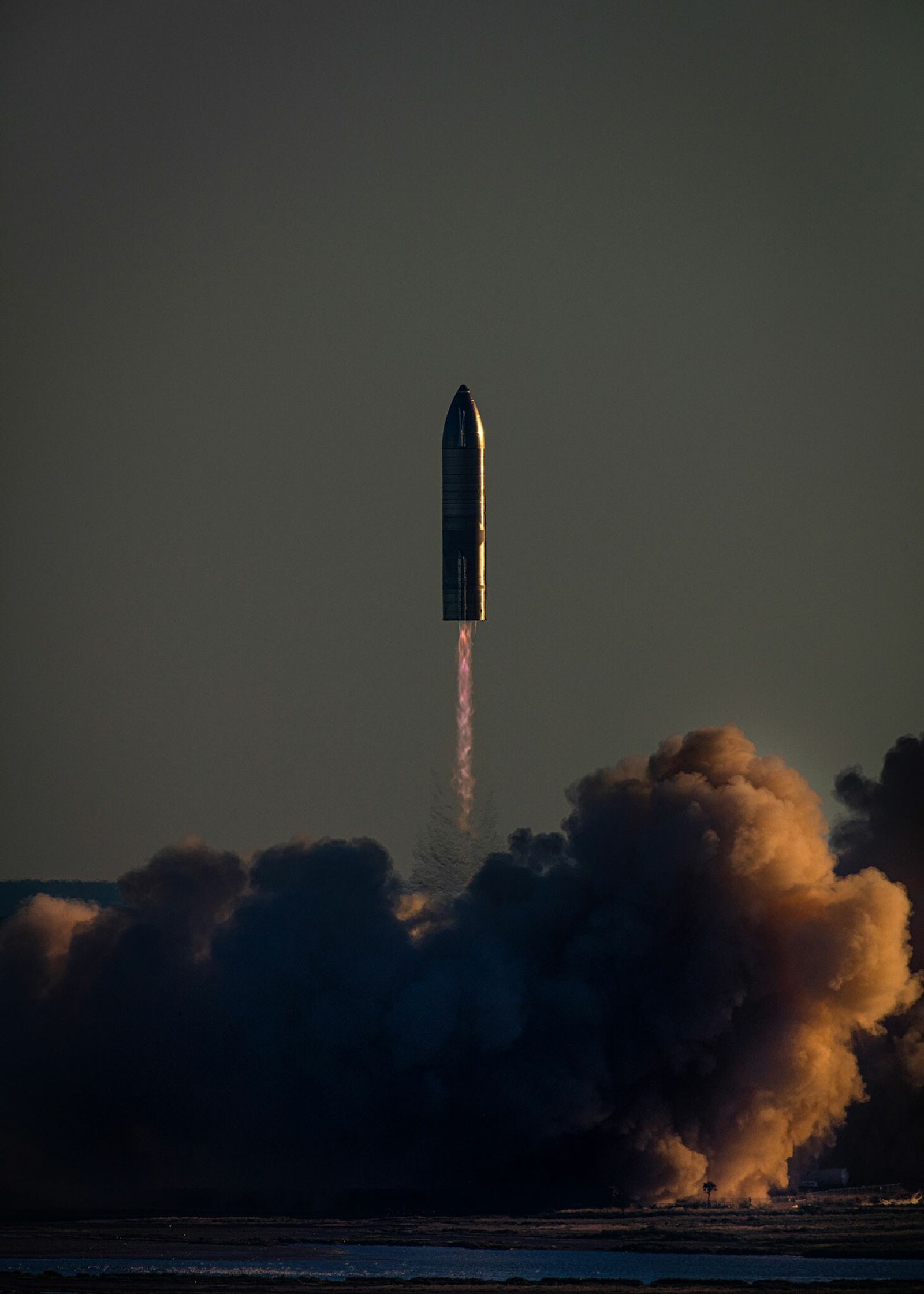
SpaceX's Starship is designed to be the world's first fully reusable launch system, capable of carrying humans and cargo to Earth orbit and beyond. This ambitious goal relies heavily on a sophisticated avionics system that controls virtually every aspect of the spacecraft's operations.
Advertisement
Key Components of Starship's Avionics System:
- Flight Control System: This system utilizes a combination of inertial measurement units (IMUs), gyroscopes, and accelerometers to continuously monitor the spacecraft's position, orientation, and movement. It then sends corrective signals to the flight control surfaces, such as the fins and flaps, to maintain stability and trajectory during ascent, descent, and in-space maneuvering.
- Propulsion Control System: This system manages the operation of the spacecraft's Raptor engines, controlling thrust levels, vectoring engine gimbal angles, and coordinating engine ignition and shutdown sequences. It ensures optimal performance and fuel efficiency during all phases of the mission.
- Guidance, Navigation, and Control (GNC): This system combines data from various sensors, including the GPS, star trackers, and radar, to determine the spacecraft's location and navigate it precisely along its planned trajectory. It also controls the spacecraft's attitude and orientation, ensuring it points in the correct direction during critical maneuvers.
- Thermal Management System: This system regulates the temperature of the spacecraft's various components, protecting them from the extreme heat generated by the engines and the frigid temperatures of space. It ensures optimal operating conditions for all systems and prevents overheating or freezing.
- Avionics Data Network: This network connects all the avionics systems together, allowing them to share information and coordinate their actions in real-time. It enables rapid decision-making and ensures that all systems are working together seamlessly.
- Ground Control System: This system allows engineers on the ground to monitor the health and performance of the spacecraft's avionics systems. They can also send commands to the spacecraft to adjust its flight path, control its systems, and perform updates as needed.
Advertisement
How Avionics Enables Reusability:
- Autonomous Flight: Starship's avionics system allows for autonomous flight during all phases of the mission, including launch, ascent, orbit insertion, deorbit burn, and landing. This eliminates the need for a pilot on board, which significantly reduces costs and complexity.
- Precision Landing: The avionics system precisely controls the spacecraft's descent and landing using a combination of thrust vectoring, grid fins, and landing legs. This allows for high-precision landings on designated landing pads, facilitating reuse.
- In-Flight Health Monitoring: The avionics system continuously monitors the health and performance of all critical systems. This allows engineers to identify and address any potential issues before they escalate, ensuring safe and reliable operation.
- Software Updates: The avionics system can be updated remotely, allowing for improvements and bug fixes to be implemented without needing to physically modify the hardware. This ensures the system remains reliable and adaptable over time.
Advertisement
Facilitating Multiple Spaceflights:
- Rapid Refurbishment: Starship's avionics system is designed to be modular and easy to repair or replace. This allows for quick turnaround time between flights, maximizing the spacecraft's utilization and minimizing operational costs.
- Scalability: The avionics system is designed to be scalable, allowing it to accommodate future upgrades and modifications. This ensures the system can keep pace with the evolving needs of Starship's missions.
- Data Analysis and Optimization: Data collected from the avionics system can be analyzed to optimize future flights. This allows engineers to improve the efficiency and reliability of the spacecraft, further reducing costs and enhancing mission success rates.
Advertisement
Conclusion:
Starship's avionics system is a critical component that enables its reusability and facilitates multiple spaceflights. By providing precise control, autonomous operation, and continuous self-monitoring, the avionics system ensures that Starship can safely and efficiently perform its missions again and again. This paves the way for a new era of space exploration, one that is more affordable, sustainable, and accessible than ever before.
Frequently Asked Questions
1. What are the key benefits of SpaceX's reusable rocket technology?
- Cost-effectiveness: Reusability reduces launch costs significantly compared to traditional expendable rockets.
- Sustainability: Reusability minimizes space debris and conserves valuable resources.
- Increased launch frequency: Faster turnaround times allow for more frequent missions.
- Launch schedule flexibility: Adaptability to changing mission timelines.
- Competition and innovation: Drives down costs across the industry.
2. How does this technology benefit USSF-2 missions?
- Lower launch costs: Frees up resources for other critical mission needs.
- Increased launch frequency: Enhances operational efficiency and mission flexibility.
- Reduced environmental footprint: Aligns with USSF's sustainability goals.
- Enhanced mission flexibility: Allows for adapting launch dates and times.
3. What are the main components of SpaceX's reusable rocket technology?
- Reusable first stage: Reduces launch costs significantly.
- Raptor engines: High-performance engines optimized for reusability.
- Grid fins and landing legs: Enable precise and controlled landings.
- Advanced thermal protection system: Protects the spacecraft during reentry.
- Avionics system: Controls flight, manages propulsion, and monitors health.
4. How does the avionics system contribute to reusability?
- Autonomous flight: Eliminates the need for a pilot and reduces costs.
- Precision landing: Enables landings on designated pads for reuse.
- In-flight health monitoring: Identifies and addresses potential problems.
- Software updates: Allows for improvements without physical hardware changes.
5. What are the future goals for SpaceX's reusable rocket technology?
- Increase reusability to include the second stage.
- Reduce launch costs further.
- Develop fully reusable Starship spacecraft for deep space missions.
- Expand launch capabilities to other planets and moons.
6. What are some potential challenges and limitations?
- Technical complexity of reusable systems.
- High initial development costs.
- Need for dedicated landing infrastructure.
- Safety concerns with reusable rockets.
7. How does SpaceX address these challenges?
- Continuous research and development.
- Implementing advanced manufacturing techniques.
- Developing new infrastructure and partnerships.
- Prioritizing safety through rigorous testing and procedures.
8. What is the overall impact of SpaceX's technology on the future of space exploration?
- Increased accessibility and affordability of space travel.
- Enables more ambitious and complex space missions.
- Drives innovation and technological advancements.
- Promotes a more sustainable future for space exploration.
9. What are some resources where I can learn more about this technology?
- SpaceX website: https://www.spacex.com/
- NASA website: https://www.nasa.gov/
- SpaceNews website: https://spacenews.com/
- Scientific American website: https://www.scientificamerican.com/
This FAQ provides a brief overview of SpaceX's reusable rocket technology and its impact on USSF-2 missions. As the technology continues to evolve, this FAQ will be updated to reflect the latest developments.