Exploring SpaceX's Decision: Dropping Transpiration Cooling for Starship and the Reasons Behind It
Introduction:
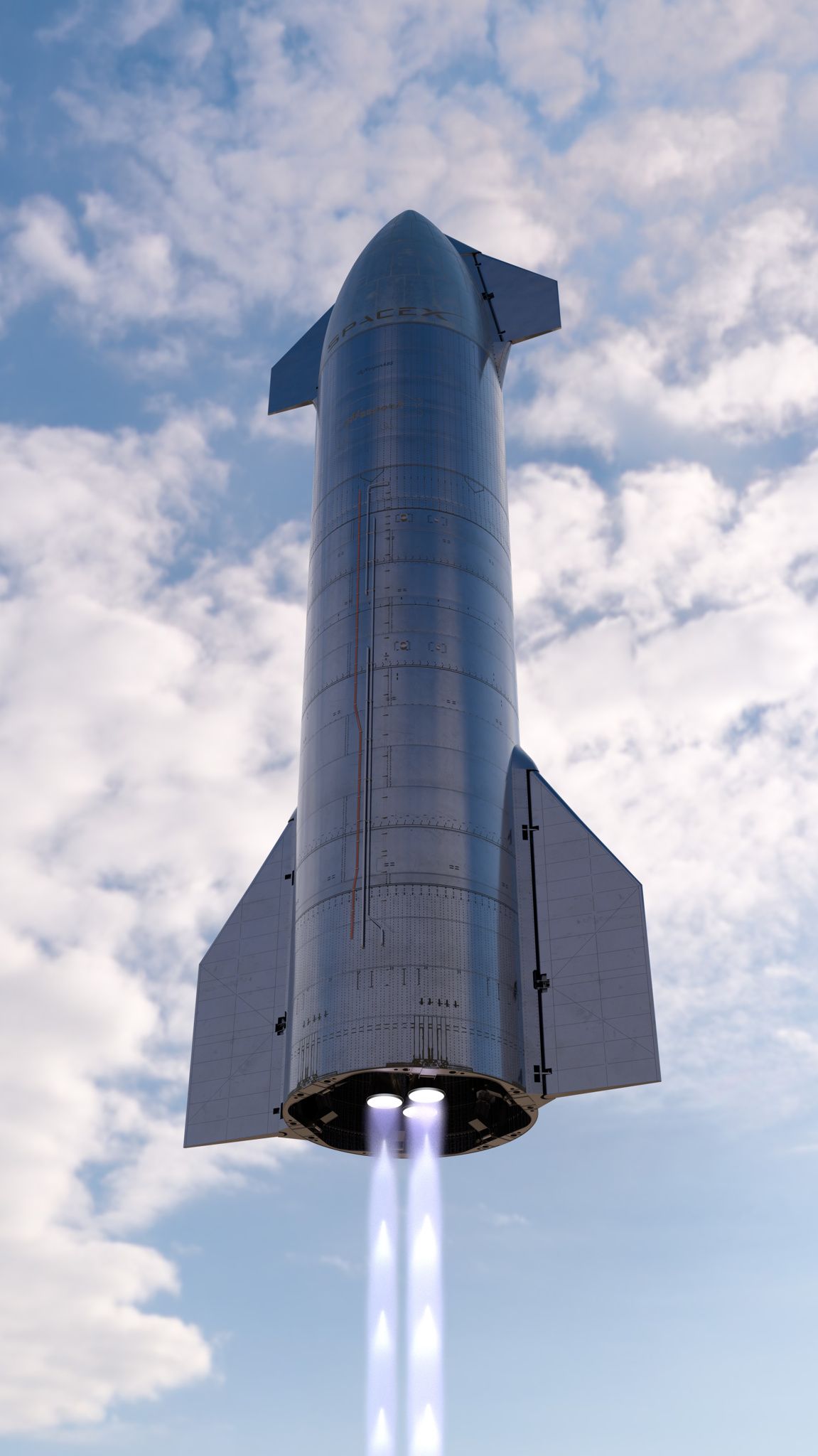
In the ever-evolving world of space exploration, SpaceX has made a significant decision regarding its Starship project. The company has chosen to drop the concept of Transpiration cooling for Starship, a decision that has sparked curiosity and raised questions among space enthusiasts. In this article, we will delve into the reasons behind SpaceX's decision and explore the potential implications for the future of Starship.
Advertisement
1. Understanding Transpiration Cooling:
To comprehend the significance of SpaceX's decision, it is crucial to first understand what Transpiration cooling entails. This innovative cooling technique involves the circulation of liquid through tiny pores on the spacecraft's surface, which helps dissipate heat during reentry into the Earth's atmosphere. It was initially considered a promising solution for managing extreme temperatures during space missions.
2. The Decision to Drop Transpiration Cooling:
SpaceX's choice to abandon Transpiration cooling for Starship has left many wondering about the rationale behind this decision. While the company has not provided an official statement, several factors could have influenced this move. One possible reason could be the complexity and challenges associated with implementing and maintaining the Transpiration cooling system on a large-scale spacecraft like Starship.
Advertisement
3. Advantages and Disadvantages:
Although Transpiration cooling offered potential benefits, such as enhanced heat dissipation and increased reusability, it also presented certain drawbacks. These drawbacks might have played a role in SpaceX's decision. Some of the disadvantages include the added weight and complexity of the system, potential maintenance issues, and the need for extensive testing and validation.
4. Alternative Cooling Solutions:
SpaceX's decision to drop Transpiration cooling does not mean the end of effective cooling solutions for Starship. The company is known for its innovative approach, and it is likely exploring alternative methods to manage the extreme temperatures experienced during reentry. These alternatives could include advanced heat shield materials, improved thermal management systems, or other cutting-edge technologies.
Advertisement
5. Implications for the Future:
The decision to abandon Transpiration cooling for Starship could have significant implications for the future of SpaceX's space exploration endeavors. It demonstrates the company's commitment to finding the most efficient and reliable solutions for their spacecraft. By exploring alternative cooling methods, SpaceX aims to optimize the performance, safety, and reusability of Starship, ultimately paving the way for ambitious missions to the Moon, Mars, and beyond.