Daily Life Aboard the International Space Station: Adapting to Microgravity and Beyond
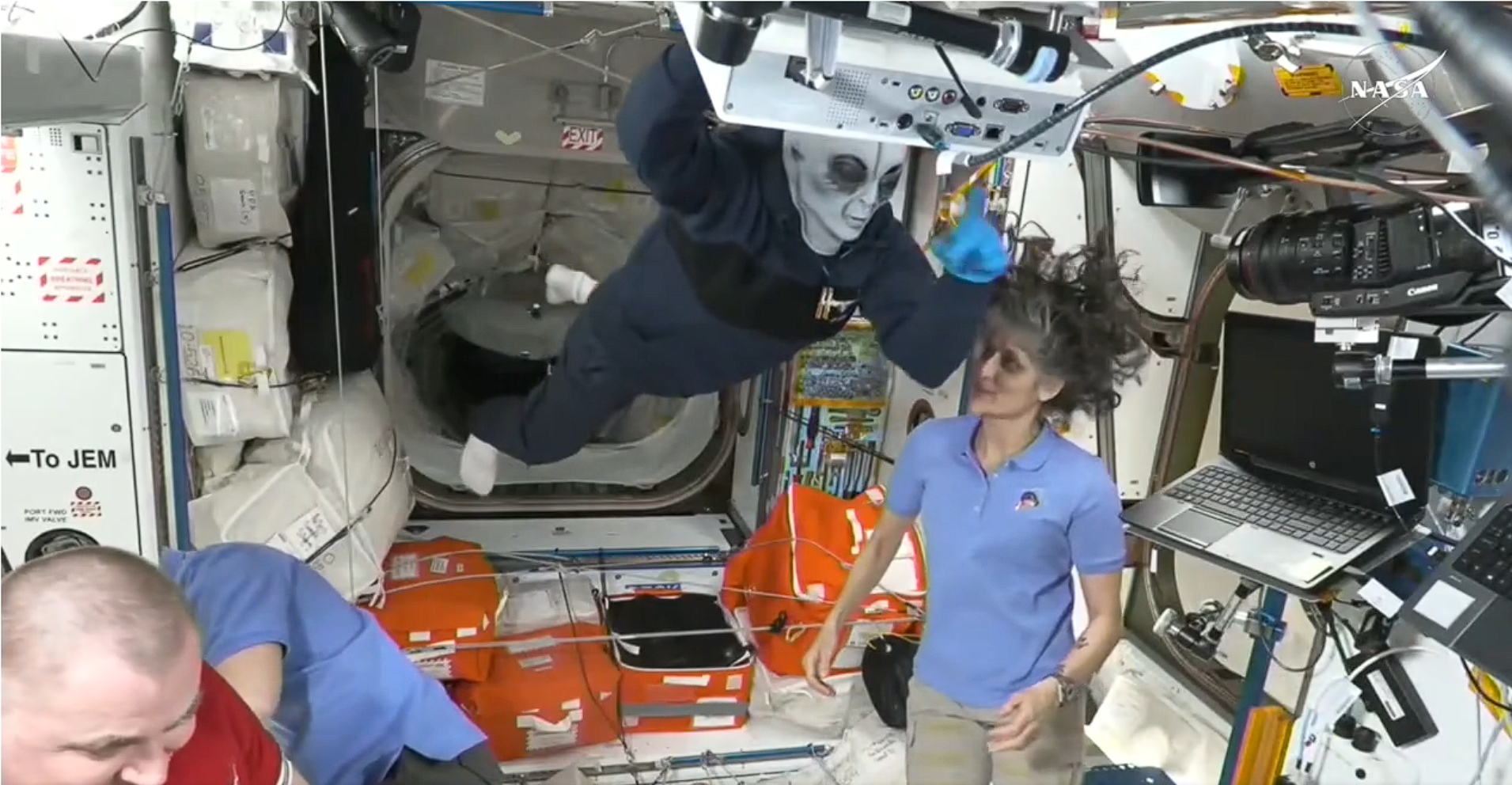
The International Space Station (ISS), orbiting roughly 400 kilometers (250 miles) above Earth, is a marvel of human engineering and a testament to our curiosity about the cosmos. For the astronauts who call it home—sometimes for six months or more—life aboard the ISS is a blend of routine, adaptation, and awe-inspiring moments. Living in microgravity presents unique challenges and opportunities, shaping every aspect of their daily existence, from eating and sleeping to working and staying healthy. Here’s a deep dive into what life is like aboard this extraordinary outpost in space.
Waking Up in Weightlessness
A day on the ISS begins much like it does on Earth: with waking up. But there’s no “up” or “down” in microgravity. Astronauts sleep in tethered sleeping bags attached to the walls, ceilings, or any available surface in their small personal crew quarters—about the size of a phone booth. Without gravity to orient them, they float inside these bags, secured to prevent drifting into equipment or fellow crewmates. The station operates on Coordinated Universal Time (UTC), and a typical “morning” starts at 6:00 a.m. UTC with a wake-up call from mission control. After floating out of their sleeping bags, astronauts begin their day, often marveling at the surreal sensation of weightlessness that never fully loses its novelty.
Eating in Orbit: A Floating Feast
Breakfast—and all meals—on the ISS is a far cry from dining at home. With no gravity to keep food on a plate, meals are carefully packaged to avoid crumbs or droplets that could clog air filters or damage equipment. Astronauts enjoy a variety of pre-prepared foods, including dehydrated meals (rehydrated with water from the station’s recycling system), thermostabilized dishes (like canned goods), and even some fresh treats delivered by resupply missions. Tortillas are a favorite—they’re less crumbly than bread and perfect for floating tacos.
Eating requires skill: astronauts use utensils with magnets or Velcro to keep them in place and sip drinks from sealed pouches with straws. Mealtimes often double as social bonding sessions, with crew members floating around a small table, sharing stories from their diverse backgrounds—Russian cosmonauts, American astronauts, and international partners alike. The view of Earth spinning below adds an unmatched ambiance to these meals.
Staying Clean in Space
Personal hygiene in microgravity is another adventure. There’s no running water, so showers are out of the question. Instead, astronauts use damp towels and no-rinse shampoo to clean themselves. Toothbrushing involves swallowing the toothpaste (or spitting it into a towel), and shaving is done with special razors to capture stray hairs. The ISS has a water recycling system that processes sweat, condensation, and even urine into potable water—about 85% of the station’s water is recycled, a necessity for sustainability in space. While it might sound unappealing, astronauts report that the purified water tastes perfectly fine.
Toilets are a high-tech marvel, using airflow to direct waste into collection systems. Solid waste is stored and eventually jettisoned to burn up in Earth’s atmosphere, while urine is recycled. Adapting to these systems takes practice, and astronauts train extensively on Earth to master the art of “going” in space.
Work and Science: The Heart of the Mission
The workday on the ISS runs from about 7:30 a.m. to 7:00 p.m. UTC, filled with a mix of maintenance, exercise, and scientific experiments. Astronauts are essentially jacks-of-all-trades, troubleshooting equipment, repairing systems, and ensuring the station runs smoothly. But the core of their mission is science. The ISS hosts hundreds of experiments at a time, from studying how plants grow in microgravity to testing new medical technologies. These projects often have direct applications for life on Earth, such as improving drug development or understanding muscle degradation in aging populations.
Workstations are packed with laptops, cameras, and specialized tools, all tethered to prevent them from floating away. Astronauts communicate with mission control teams worldwide, often via video or radio, collaborating on real-time adjustments to experiments. The pace is relentless, but the sense of purpose—and the thrill of contributing to human knowledge—keeps them motivated.
Exercise: Fighting the Effects of Microgravity
Living in microgravity takes a toll on the human body. Without the constant pull of Earth’s gravity, muscles atrophy and bones lose density at an alarming rate—up to 1-2% per month. To combat this, astronauts spend about two hours a day exercising on specially designed equipment. The Advanced Resistive Exercise Device (ARED) mimics weightlifting with pistons and vacuum cylinders, while a treadmill and stationary bike use harnesses to keep astronauts in place as they “run” or “cycle.” Even with these efforts, returning to Earth’s gravity can be a shock, requiring weeks of rehabilitation.
Exercise isn’t just physical—it’s mental too. The repetitive routine helps astronauts maintain discipline and cope with the isolation of space. Some even enjoy the surreal experience of jogging while watching continents drift by through the station’s windows.
The Psychological Frontier
Beyond the physical challenges, life on the ISS tests mental resilience. Astronauts are confined to a space roughly the size of a six-bedroom house, shared with five or six others, for months on end. The lack of fresh air, natural light, and privacy can wear on even the most stoic individuals. To cope, they rely on a tight-knit crew dynamic, regular video calls with family, and care packages from Earth—sometimes including treats like chocolate or letters from loved ones.
The view of Earth is a psychological lifeline. The ISS orbits the planet every 90 minutes, offering 16 sunrises and sunsets a day through the station’s cupola—a dome-shaped window with panoramic views. Astronauts often describe this as a humbling, perspective-shifting experience, reinforcing their connection to humanity despite their isolation.
Free Time and Fun
After a long day, astronauts unwind with limited but cherished downtime. They might watch movies (stored on a hard drive), play musical instruments (like a guitar or keyboard brought aboard), or snap photos of Earth to share with the world. Some even experiment with microgravity tricks—spinning objects like gyroscopes or tossing water droplets that float like tiny planets. Competitions, like who can do the best midair somersault, add levity to their routine. Holidays are celebrated with gusto, complete with improvised decorations and special meals, fostering a sense of normalcy in an extraordinary environment.
The Bigger Picture
Life on the ISS is a delicate balance of survival, science, and wonder. Every task, from eating a tortilla to conducting a breakthrough experiment, is shaped by the absence of gravity and the presence of human ingenuity. For the astronauts, it’s not just a job—it’s a privilege to live on the edge of human exploration, adapting to an alien environment while advancing our understanding of the universe. As we look toward future missions to the Moon and Mars, the lessons learned aboard the ISS will pave the way, proving that humanity can thrive beyond the bounds of Earth.
What do you think—would you be ready to trade gravity for a stint on the ISS?