Astronauts Face Vision Loss in Space—What It Means for Mars Exploration
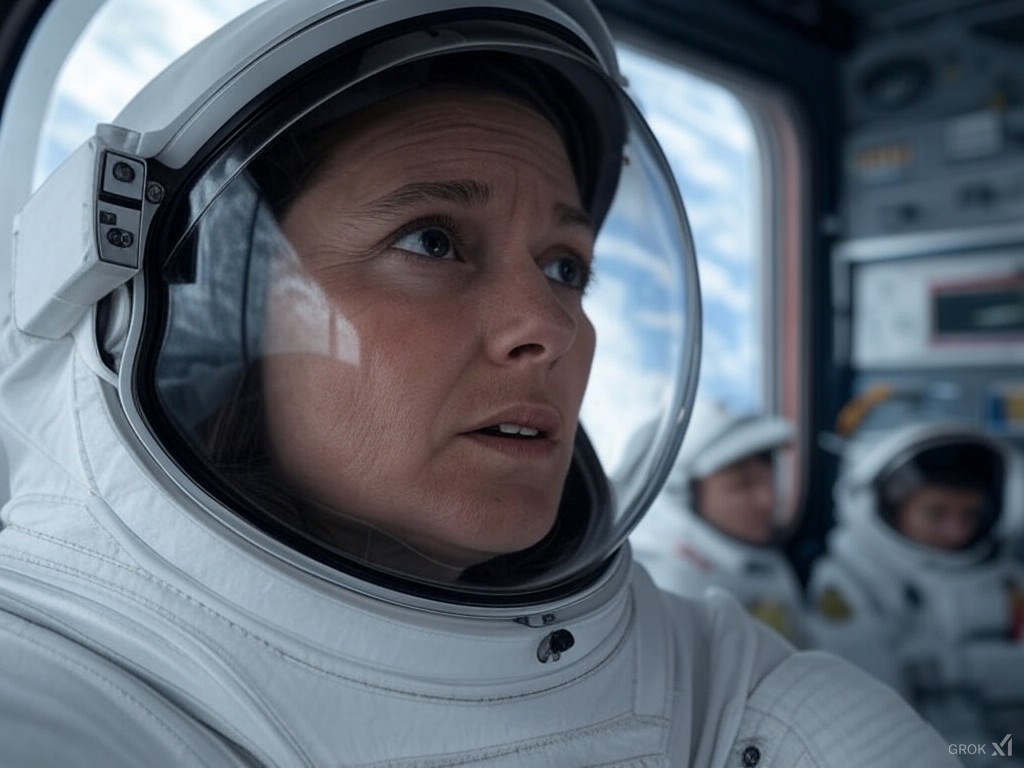
As NASA and other space agencies set their sights on Mars, a concerning health issue aboard the International Space Station (ISS) has scientists and astronauts alike reevaluating the implications for long-duration space travel. Recent studies and observations have confirmed that a significant percentage of astronauts experience vision changes, a condition known as Spaceflight-Associated Neuro-Ocular Syndrome (SANS), raising questions about the health risks for future Mars travelers.
SANS affects approximately 70% of astronauts who have spent between six and twelve months aboard the ISS. Symptoms include swelling of the optic nerve, flattening of the back of the eye, and changes in vision, which can sometimes persist post-mission. With Mars missions potentially lasting years, these findings are a point of significant concern.
Dr. Santiago Costantino, an ophthalmologist from Université de Montréal, has been at the forefront of research into these vision changes. "In microgravity, fluids in the body shift upwards, increasing pressure on the brain and eyes," he explains. "This can lead to structural changes in the eye, which we've observed in many astronauts."
A study published in the IEEE Open Journal of Engineering in Medicine and Biology analyzed data from 13 astronauts, showing significant alterations in ocular rigidity, intraocular pressure, and ocular pulse amplitude. These changes were linked to symptoms like decreased eye size and swelling of the optic nerve.
NASA's Human Research Program (HRP) has been actively investigating SANS, with experiments like "Ocular Health" and "Fluid Shifts" providing valuable data. These studies have shown that while some changes reverse upon return to Earth, the long-term effects of prolonged exposure to microgravity remain uncertain, especially for missions to Mars.
Kathy Lueders, Associate Administrator for NASA's Human Exploration and Operations Mission Directorate, highlighted recent findings on X, noting, "A recent study found that antioxidant Coenzyme Q10 lessened damage to retina cells exposed to microgravity and space radiation." This suggests potential countermeasures might mitigate the risks.
However, the challenge is immense. Mars missions would expose astronauts to microgravity for much longer than current ISS stints, without the possibility of quick return to Earth for medical assistance. "SANS represents a critical risk for deep space exploration," says Jennifer Fogarty, chief scientist for HRP. "We need to understand this better to ensure the health and safety of our astronauts."
Current research is focusing on developing countermeasures, including pharmaceutical interventions, dietary supplements, and devices like lower body negative pressure equipment to help manage fluid shifts. Additionally, ongoing studies are examining whether these changes are permanent or if they can be fully reversed with time or treatment.
The posts on X and various web sources indicate a growing awareness and concern within both the scientific community and the public about astronaut health for extended space missions. While the ISS has been an invaluable platform for understanding these risks, Mars presents an entirely different scenario with its extended travel time and isolation.
The consensus among experts is clear: more research is needed before humanity can confidently embark on missions to Mars. The health of astronauts is paramount, and understanding and mitigating these vision changes could be key to making such journeys not only possible but safe. As we look to the stars, ensuring the well-being of those who venture there remains a top priority.