How do space probes find their way and how much fuel do they use to travel?
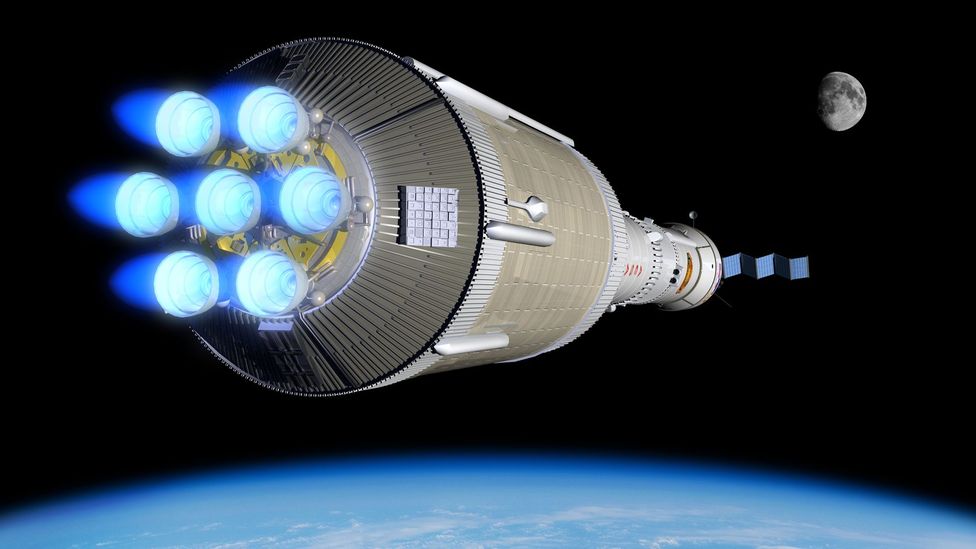
Space probes are incredible machines that have allowed us to explore our solar system and beyond. But how do they find their way in the vast emptiness of space? And how much fuel do they use to travel?
Advertisement
Space probes use a variety of technologies to navigate, including:
- Radio signals: Space probes communicate with Earth using radio signals. By measuring the time it takes for a radio signal to travel from Earth to the probe and back, scientists can calculate the probe's distance from Earth. They can also use radio signals to determine the probe's speed and direction of travel.
- Star trackers: Space probes have star trackers that can identify stars in the night sky. By knowing the position of the stars in the sky, the probe can calculate its own position.
- Inertial measurement units (IMUs): IMUs measure the probe's acceleration and rotation. By combining this data with information from the star trackers, the probe can calculate its own orientation in space.
- GPS: Some space probes, such as those that orbit the Earth, use GPS to navigate. GPS satellites transmit radio signals that the probe can use to determine its position.
Advertisement
The amount of fuel that a space probe uses to travel depends on a number of factors, including the probe's mass, its destination, and the type of propulsion system it uses. In general, probes that travel to distant planets use more fuel than probes that travel to the Moon or near-Earth asteroids.
The most common type of propulsion system for space probes is the rocket engine. Rocket engines work by burning fuel and oxidizer to produce hot gases that are expelled out the back of the engine. This thrust propels the probe forward. The amount of fuel that a rocket engine uses depends on the amount of thrust it produces and the amount of time it is fired.
Advertisement
Other types of propulsion systems for space probes include:
- Ion engines: Ion engines use electricity to accelerate ions (charged particles) to high speeds. This produces a very gentle thrust, but it is very efficient. Ion engines are often used for probes that need to travel to distant planets or asteroids because they can use very little fuel.
- Solar sails: Solar sails use the pressure of sunlight to propel a probe forward. Solar sails are very efficient, but they can only be used in the sunlight.
The amount of fuel that a space probe uses also depends on the trajectory that it takes. A probe that takes a direct route to its destination will use more fuel than a probe that takes a more roundabout route. This is because the probe will have to travel faster to reach its destination on a direct route.
Advertisement
Space probes are amazing machines that have allowed us to explore our solar system and beyond. They are able to travel long distances and navigate through the vast emptiness of space thanks to a variety of technologies. The amount of fuel that a space probe uses depends on a number of factors, but it is always a major consideration for mission planners.