Cosmic Caper! Astronauts Turn Thruster Burn into Weightless Somersaults Aboard the ISS
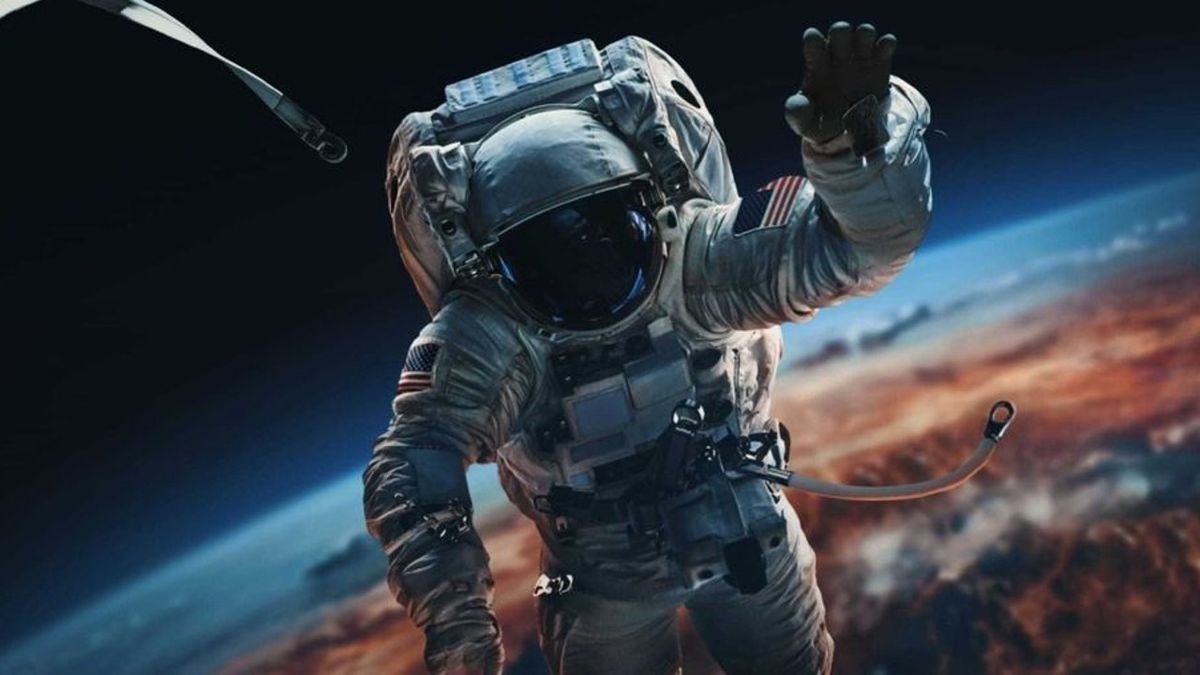
Tuck and roll! Watch ISS astronauts have fun during orbit-raising thruster fire
Imagine hurtling through space at 17,500 miles per hour, then suddenly experiencing the thrill of weightlessness – not from a freefall, but from a controlled rocket burn. That's exactly what happened to three astronauts aboard the International Space Station (ISS) during a recent thruster firing! But instead of simply enduring the maneuver, they turned it into a playful opportunity, showcasing the unexpected moments of joy and levity that life in space can offer.
From Routine Mission to Weightless Playtime
The thruster burn itself was a standard operation, routinely conducted to boost the ISS's orbit and ensure it continues its vital scientific research without falling back into Earth's atmosphere. However, with a lighter workload on that particular Saturday, the three astronauts – NASA's Jasmin Moghbeli, ESA's Andreas Mogensen, and Roscosmos' Oleg Artemyev – decided to add a touch of fun to the experience.
Tuck and Roll for Microgravity on Demand!
Knowing the thruster firing would create a brief period of microgravity, the astronauts set up a video camera and prepared for their "cosmic amusement park ride." As the engines ignited, they tucked themselves into balls, floating freely within the station's modules. Moghbeli even provided a running commentary, adding to the lighthearted atmosphere.
Advertisement
This playful moment wasn't just about entertainment; it served as a valuable training exercise for future missions. By experiencing weightlessness in a controlled environment, astronauts can adapt their movements and reactions, preparing them for situations where unplanned microgravity might occur.
Beyond the Fun: The Value of Play in Space
This incident highlights the importance of play and recreation for astronauts on long-duration space missions. The mental and emotional challenges of isolation and confinement in space are significant, and finding healthy outlets for stress relief and enjoyment is crucial for maintaining crew well-being and mission success.
Advertisement
From playing board games to participating in music nights, astronauts engage in various activities to maintain a sense of normalcy and camaraderie. These moments of leisure also foster creativity and problem-solving skills, proving that even in the vastness of space, the human spirit finds ways to thrive and play.
Advertisement